

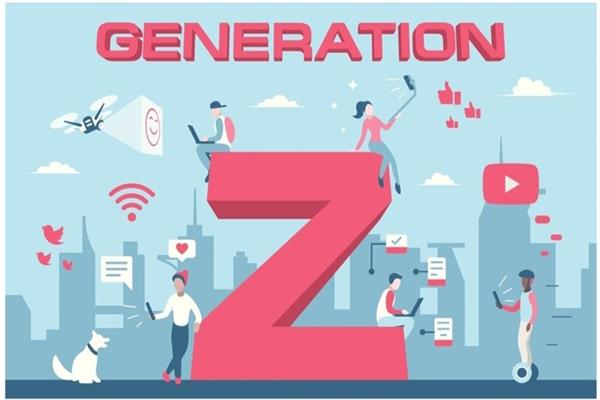
In the world of digital recruitment, Gen Z no longer relies on print ads or visiting employment agencies. Instead, young people are searching for job opportunities through TikTok, Instagram, and AI-powered tools, rejecting traditional methods they describe as “slow and boring.” What began as a time-saving trick has evolved into a comprehensive strategy that blends entertainment and professionalism, but it faces a fiercely competitive market with decreasing entry-level jobs and increasing reliance on screens.
Social Media: TikTok and Instagram Replace LinkedIn
TikTok has become the “new LinkedIn” for Gen Z. According to Zety’s 2025 Gen Z Career Trends Report (which surveyed nearly 900 young Americans), 46% of Gen Z found a job or internship through TikTok, while 76% rely on Instagram for professional content (compared to only 34% who use LinkedIn). Furthermore, 95% of them confirm that a company’s social media presence directly influences their decision to apply for a job.
Young people are looking for “real videos” that showcase company culture, job-seeking tips, and even virtual interviews. The report states that 92% of Gen Z trust TikTok as a source of career advice, although 55% admit to having sometimes followed misleading tips. This approach makes job searching “fun and fast,” but it relies more on personal presentation than a traditional resume.
Artificial Intelligence: A Key Tool in the Job Search Process
50% of Gen Z use AI tools in their job search, a significantly higher percentage than previous generations (37% for Gen X and 29% for Boomers), according to the Randstad Workplace Blueprint 2025 report. They use AI to write resumes, analyze jobs, and even conduct mock interviews.
This reliance reflects the nature of the digital generation, but it comes with caveats: the market has become more competitive because of AI itself, which has reduced entry-level jobs by 29% since January 2024.
Challenges: A tough market and high expectations. Despite innovations in job search methods, Gen Z faces a harsh reality. By 2025, only 30% of bachelor’s degree graduates had secured full-time employment in their field, and the unemployment rate among recent graduates had risen to 9.7% (according to US Federal Reserve data). Furthermore, 76% of employers have reduced their hiring of entry-level employees or maintained the same number compared to 2024, according to a CNBC report.
Young people are actively searching and applying for dozens of jobs, but they are facing a sense of being “disappeared” from companies. They are demanding work-life balance, a sense of purpose in their work, and transparent salary arrangements. A Randstad report confirms that the average length of time Gen Z stays in their first job is only 1.1 years, because they are “looking for growth” rather than traditional stability.
Gen Z no longer waits for jobs; they create them using screens and artificial intelligence. Their new methods have made job searching faster and more creative, but the competitive market and limited job opportunities force them to innovate even more. It’s not “laziness” or “lack of seriousness”; it’s adapting to a world rapidly changing with AI.
