
'/%3E%3Cpath%20d='m454%20250-4%204-4-4c-3%203-9%205-9%205l2-5q-9%205-10%203c-1-1%2010-12%2012-26%200-1%203-18-8-13-2%201-4-5%200-7%203-2%2010-1%2011%200q1-2%203-2c2%200%2011%201%2014%206%202%205%202%2014%202%2015q0%2015%208%2027c-1%201-8-2-8-2v3s-7-2-9-4m-12-32c4%2014-9%2031-11%2033%2011%200%2012-10%2015-24l1%201c-2%2011-5%2022-8%2025l7-4%203-22h1l-3%2022%203%203%203-3-1-21h1l1%2021%208%203c-5-8-6-25-6-23h1c2%2012%203%2022%2012%2022-3-3-8-16-7-25q0-12-2-15-6-3-10%202-2%202-5-1c-2-2-1-2-6-4q-7-2-6%205s9-3%2013%205zm7-8q-3%201-1%202%203%200%201-2'/%3E%3C/g%3E%3C/svg%3E)
Apple’s App Store is a major, albeit often hidden, source of massive revenue for the company. Every time an iPhone user subscribes to a service through Apple’s payment system, the Cupertino tech giant takes a cut of up to 30% of each recurring payment.
This practice has sparked considerable controversy, leading courts to compel Apple to allow third-party payment methods. Last year, the company was found in contempt of court for violating this ruling by charging developers similar fees for integrating their own payment tools.
However, long before the courts ruled on this case, app developers had already adapted to Apple’s fee-taking strategy. Instead of absorbing a 15-30% loss on subscription revenue, many simply passed this additional cost on to the consumer when they subscribe through the App Store. As a result, a service that might cost $10 when you subscribe directly from the company’s official website costs $13 in the Apple Store—a phenomenon now known in tech circles as the “Apple tax.”
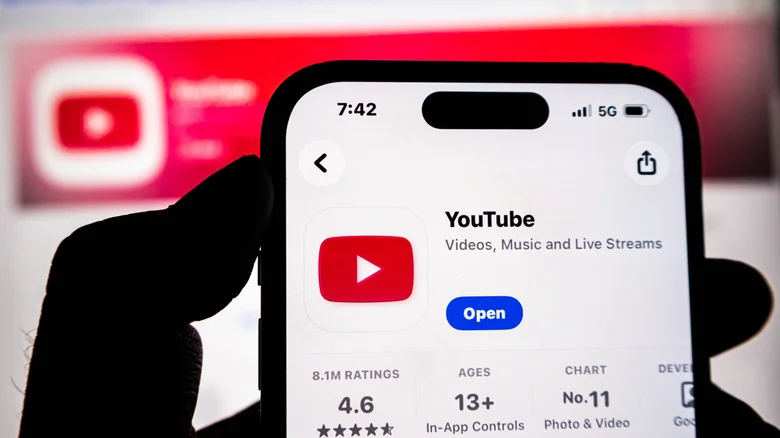
YouTube Premium is a prime example of this tax being applied by Google. While a single monthly subscription costs $16 on the official YouTube website, this price jumps to $21 per month when you do the same through the Apple app.
This difference, equivalent to $5 per month, is taken from the consumer’s pocket without any justification other than helping Google cover Apple’s fees, making it difficult to truly benefit from the subscription.
Despite this price difference, some users prefer to manage their subscriptions through the Apple Store to avoid the complex practices of some websites with direct payment systems. Once some companies obtain your credit card information, it becomes nearly impossible to stop the charges. The cancellation process can sometimes involve a tedious search for the deliberately hidden cancellation button, navigating multiple confirmation screens, misleading discount offers, and complex surveys—not to mention the possibility of being forced to email or completely change your credit card to stop the charges.
In certain circumstances, some might find the extra “Apple fee” worthwhile, offering peace of mind and the ability to cancel any subscription with just two taps on their smartphone screen. While Apple is known for its revenue-generating activities, it also prioritizes the iPhone user experience, so it’s less aggressive with your credit card than some other platforms.
However, saving money whenever possible is always the wisest course of action. Fortunately, YouTube Premium offers a seamless and straightforward cancellation process through its own payment system, with minimal interference from Google. Therefore, if you’re currently paying extra for the service through the App Store or planning to subscribe soon, it’s best to complete the process outside of Apple’s “closed garden.”
