

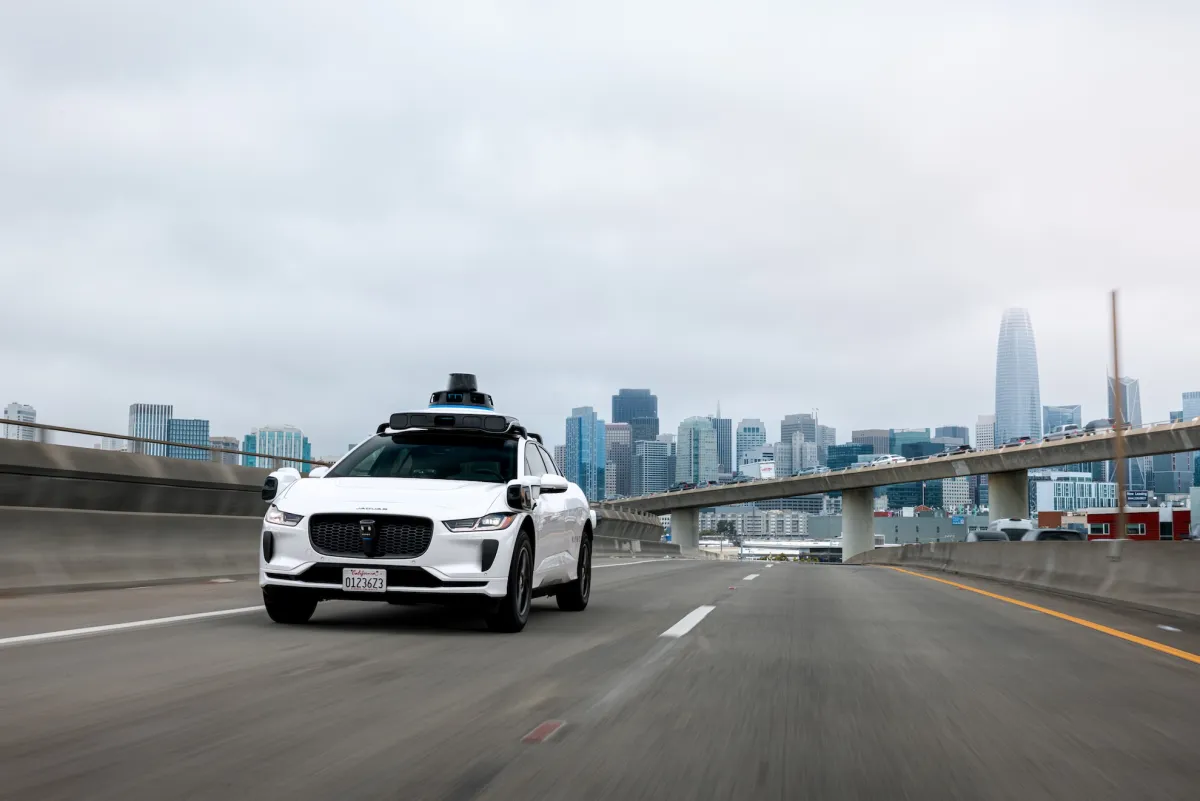
Waymo Faces Scrutiny Over Remote Worker Policies Amid Senate Hearing
In a recent session of the Senate Commerce Committee, Waymo’s Chief Safety Officer, Mauricio Peña, addressed inquiries regarding the company’s practices surrounding autonomous vehicle operations. Key among these discussions were questions posed by Senator Ed Markey concerning the employment of overseas remote guidance workers, notably those based in the Philippines.
Remote Assistance Operations Under Fire
Peña’s testimony revealed that Waymo employs remote guidance workers who assist in vehicle navigation and emergency situations without requiring U.S. driver’s licenses. This detail drew sharp criticism from Markey, who expressed concerns over the implications of using non-U.S. workers for a service as crucial as autonomous driving on American roads.
In response to the backlash, Waymo issued a detailed explanation via a blog post authored by Ryan McNamara, the head of global operations. The company clarified that these remote workers do not drive the vehicles but instead provide supplemental information when called upon by the self-driving system.
What is Remote Assistance?
According to Waymo, Remote Assistance (RA) personnel are on standby to answer specific inquiries from the vehicle’s autonomous systems. In addition to the RA staff, Waymo has formed Event Response Teams (ERTs)—certified U.S.-based emergency responders who deal with escalated situations such as collisions and interface with law enforcement.
The company mentioned it maintains around 70 RA agents globally at any given time, stationed in the United States and select cities in the Philippines. Given that Waymo operates a fleet of 3,000 vehicles that collectively travel over 4 million miles weekly, this revelation underscores the minimal oversight involved in the vast number of rides provided—over 400,000 rides each week.
Waymo’s Strategic Market Expansion
While legislative debates about remote assistance roles continue, Waymo is pressing forward with its ambitions of expanding into new markets. However, New York Governor Kathy Hochul recently withdrew a proposal that aimed to legalize robotaxi operations outside New York City after determining that sufficient support was lacking among stakeholders.
Public Perception and Trust Issues
The controversy surrounding Waymo’s remote guidance operations highlights a broader issue within the autonomous vehicle industry. Many companies have previously avoided addressing the details of their operational frameworks, which can lead to public mistrust. Clearer communication regarding procedures and safety protocols is seen as essential for fostering confidence in autonomous vehicle technologies.
Stakeholder Perspectives and Legislative Actions
As the situation with Waymo unfolds, industry observers are keenly interested in how it might influence regulations surrounding autonomous vehicles. The role of remote guidance personnel and their impact on safety will undoubtedly spark ongoing dialogue among lawmakers and industry leaders.
Community Insights
Recently, a poll conducted among Mobility readers regarding Rivian’s R2 pricing raised eyebrows, with a significant majority—over 54%—believing that the starting price would exceed $60,000.
Broader Industry News
In related news, several other companies within the automotive and tech sectors have made headlines:
- Lucid Motors announced a layoff affecting 12% of its workforce, aiming for better profitability in light of recent challenges.
- Kavak, a used car dealership in Mexico, successfully raised $300 million from investors including Andreessen Horowitz.
- Amari AI raised $4.5 million, providing tech solutions for customs brokers amid trade policy shifts.
Notable Developments
- Ford aims to pivot its image post a substantial financial hit, unveiling plans for an electric truck priced at $30,000.
- Tesla faced a loss regarding a $243 million verdict tied to a fatal crash but has managed to avoid a suspension of its California licenses after altering its marketing language.
Conclusion
The conversation surrounding remote assistance in autonomous vehicles is just beginning, and companies such as Waymo will need to navigate legislative scrutiny while maintaining public trust. With significant developments taking place across the automotive industry, stakeholders will need to adapt to the rapidly evolving landscape of technology and transportation.
For more updates on industry innovations and regulatory changes, stay connected with TechCrunch Mobility.
