

The Emergence of Alternative App Stores in the EU Following the Digital Markets Act
The Digital Markets Act (DMA) has opened the door for individuals within the European Union to explore alternative app stores, significantly enhancing competition in the app ecosystem. This regulation aims to provide developers with new avenues to distribute their applications outside of traditional platforms like Apple’s App Store.
Understanding the Digital Markets Act (DMA)
The Digital Markets Act is a groundbreaking regulation intended to foster competition in the tech industry. With this framework, developers can launch alternative app marketplaces for Apple devices, allowing consumers broader access to applications without routing through Apple’s App Review process. Instead, third-party apps must go through a notarization process to confirm they meet basic integrity standards, such as being free from malware.
These third-party marketplaces will adopt their own guidelines to review and approve apps, shifting responsibility for support and refunds away from Apple.
New Business Terms for Developers
To operate an alternative app store under the DMA, developers are required to accept Apple’s specific business terms tailored for EU distribution. This includes a Core Technology Fee of €0.50 for each initial annual install of their app, applicable before reaching the one million installations benchmark set for DMA-compliant apps.
Benefits of Alternative App Stores
Despite the complexities introduced by these new regulations, several developers have started distributing apps via alternative platforms. This shift is also being echoed in other global markets, such as Japan.
Alternative App Stores Available in the EU
Here’s a look at some of the noteworthy alternative app stores that EU residents can currently explore:
1. AltStore PAL (EU)
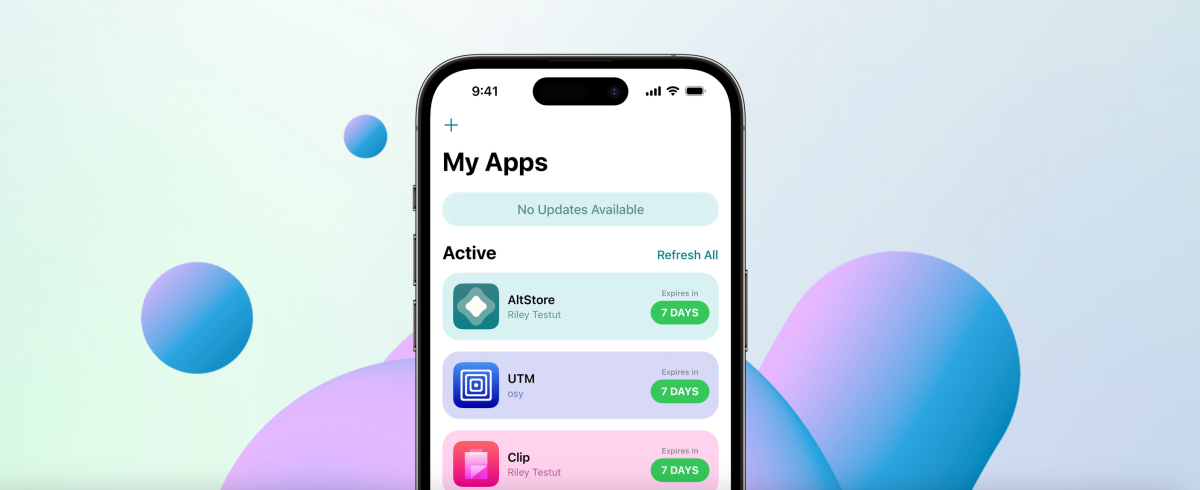
Developed by Riley Testut, the co-creator of the Nintendo emulator app Delta, AltStore PAL is an open-source marketplace allowing independent developers to distribute apps. Users self-host the apps, which makes the store uniquely personalized.
Featured Apps: Users can add popular applications like UTM, OldOS, iTorrent, and others.
2. Setapp Mobile (EU)
Another contender, Setapp, briefly launched an alternative app store but was shuttered in February 2026. The service aimed to offer users curated applications under a single subscription price but struggled with Apple’s complex stipulations.
3. Epic Games Store (EU)
Fortnite’s developer, Epic Games, has also embraced this landscape. The Epic Games Store allows users to download an array of games, including Fortnite, along with support for other alternative platforms like AltStore PAL.
4. Aptoide (EU)
A versatile option, Aptoide is known for its open-source nature. The platform not only offers apps but also ensures that users can download safe applications without incurring Core Technology Fees.
5. Mobivention Marketplace (EU)
Mobivention focuses on B2B app distribution, enabling companies to share internal apps that are not suitable for traditional app marketplaces.
6. Skich (EU)
Skich brings a unique Tinder-like interface for app discovery, where users can swipe to “match” with apps they’ll enjoy, making app exploration fun and engaging.
7. Onside (EU and Japan)
Onside is a robust app store that promises lower fees for developers while ensuring users enjoy a smooth shopping experience. It covers secure payment options and a rich selection of apps not found in other marketplaces.
The Global Perspective on Alternative App Stores
Beyond Europe, alternative app stores are gaining traction globally. In Japan, Apple is working to comply with the Mobile Software Competition Act, allowing developers the freedom to distribute apps and process payments outside of Apple’s control.
Conclusion
The introduction of alternative app stores spurred by the Digital Markets Act represents a significant shift in how applications are created, distributed, and consumed. With developers gaining more control and users benefiting from a wider selection of apps, the tech landscape in the EU is on the verge of a transformative experience that may reshape mobile application distribution for years to come.
