
'/%3E%3Cpath%20d='m454%20250-4%204-4-4c-3%203-9%205-9%205l2-5q-9%205-10%203c-1-1%2010-12%2012-26%200-1%203-18-8-13-2%201-4-5%200-7%203-2%2010-1%2011%200q1-2%203-2c2%200%2011%201%2014%206%202%205%202%2014%202%2015q0%2015%208%2027c-1%201-8-2-8-2v3s-7-2-9-4m-12-32c4%2014-9%2031-11%2033%2011%200%2012-10%2015-24l1%201c-2%2011-5%2022-8%2025l7-4%203-22h1l-3%2022%203%203%203-3-1-21h1l1%2021%208%203c-5-8-6-25-6-23h1c2%2012%203%2022%2012%2022-3-3-8-16-7-25q0-12-2-15-6-3-10%202-2%202-5-1c-2-2-1-2-6-4q-7-2-6%205s9-3%2013%205zm7-8q-3%201-1%202%203%200%201-2'/%3E%3C/g%3E%3C/svg%3E)
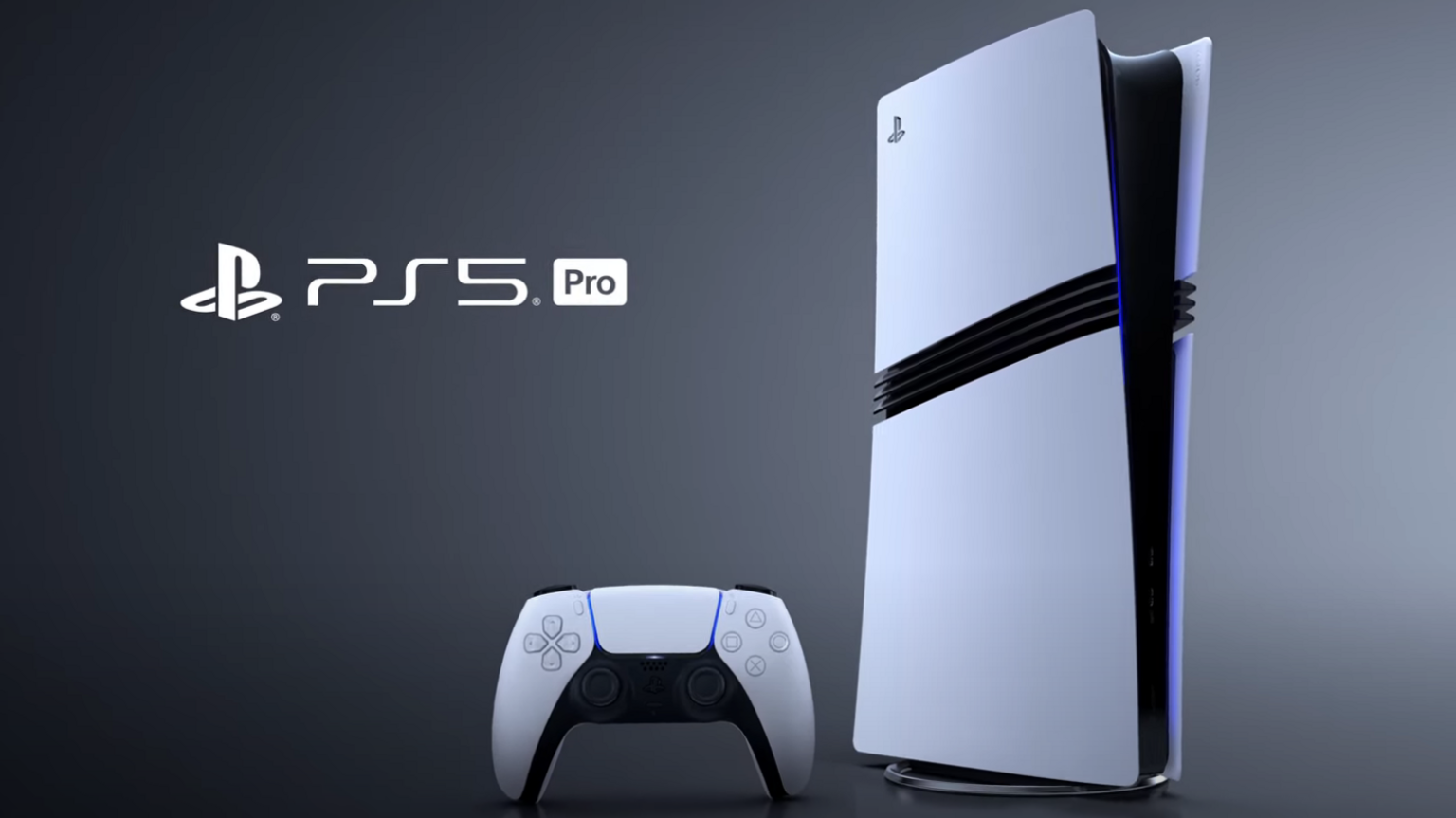
Sony has announced new price increases for its PlayStation consoles, including the PlayStation 5, PlayStation 5 Pro, and PlayStation Portal, reflecting the growing impact of global economic challenges on the video game market.
The new prices are scheduled to take effect in April 2026, with the increase varying by market.
According to a report by Digital Trends, prices are expected to rise significantly, particularly in major markets.
The PlayStation 5 is expected to increase by approximately $100 in the United States, while the PlayStation 5 Pro could see a price hike of up to $150, and the PlayStation Portal is projected to increase by around $50.
Sony explained that these increases are due to a combination of economic factors, most notably continued inflation, rising component costs, and challenges related to global supply chains.
This move comes at an unusual time for the electronics market, as gaming console prices typically decrease over time, not increase. However, global economic changes have prompted companies to reconsider their pricing strategies. It’s noteworthy that this isn’t the first time Sony has made this decision. They previously raised the price of the PlayStation 5 in 2025, suggesting that the trend toward price increases may be ongoing rather than a temporary measure.
Analysts believe several key factors are behind these increases, including rising chip and memory costs due to increased demand from artificial intelligence companies, continued global supply chain disruptions, and currency fluctuations and their impact on production costs. These factors have directly affected the manufacturing costs of electronic devices, including gaming consoles.
For consumers, these increases mean higher costs for PlayStation consoles, whether for new users or those looking to upgrade to newer models.
This is expected to prompt some consumers to reconsider their purchasing decisions, such as postponing new console purchases, turning to the used market, or relying more heavily on subscription services and cloud gaming.
Sony’s decision may not be unique, as major companies like Microsoft and Nintendo face similar economic challenges, which could lead to a wider wave of price increases in the gaming sector.
This trend reflects a significant shift in corporate strategies, with companies increasingly relying on digital services and subscriptions rather than simply lowering hardware prices to attract users.
Despite these price hikes, Sony affirms its continued investment in developing next-generation consoles and cloud gaming technologies, along with leveraging artificial intelligence to enhance the user experience.
However, the current message is clear: PlayStation consoles have become more expensive, and those considering purchasing at current prices may not have much time before the new price increases take effect.
