


YouTube challenges are a phenomenon involving individuals performing bizarre or dangerous acts, filming them, and then sharing them on the platform. These challenges are often a mix of entertainment, personal challenges, or even fundraising efforts, but some can be dangerous, leading to injuries or poisoning.
History: The origins of bizarre internet challenges can be traced back to the early 2000s, before the rise of YouTube itself, which was founded in 2005. Some were inspired by pre-internet games or challenges, such as choking or food challenges, but they evolved into videos with the advent of digital platforms.
For example, the “Cinnamon Challenge” began in 2001 as a personal challenge among friends, but it went viral on YouTube in 2006 with the first recorded video, reaching its peak in 2012.
Other challenges, such as the “Gallon Challenge,” started in 2013 on a specific YouTube channel. Generally, these challenges have become part of YouTube culture since 2010, with YouTubers experimenting with unusual ideas to attract viewers.
Who started it?
These challenges are often created by ordinary users or young YouTubers seeking fame or entertainment. Here are some of the most prominent challenges:
– The Cinnamon Challenge: Michael Buffington sparked the challenge in 2001 by filming himself attempting to swallow a spoonful of cinnamon powder in one minute without drinking water. He posted the video on his personal website in December 2001, becoming one of the first to visually document the challenge. It then appeared on YouTube for the first time in 2006 and peaked between 2011 and 2012.
Although the challenge had existed in popular culture previously, Buffington’s video was the cornerstone that helped transform it into a global internet phenomenon.
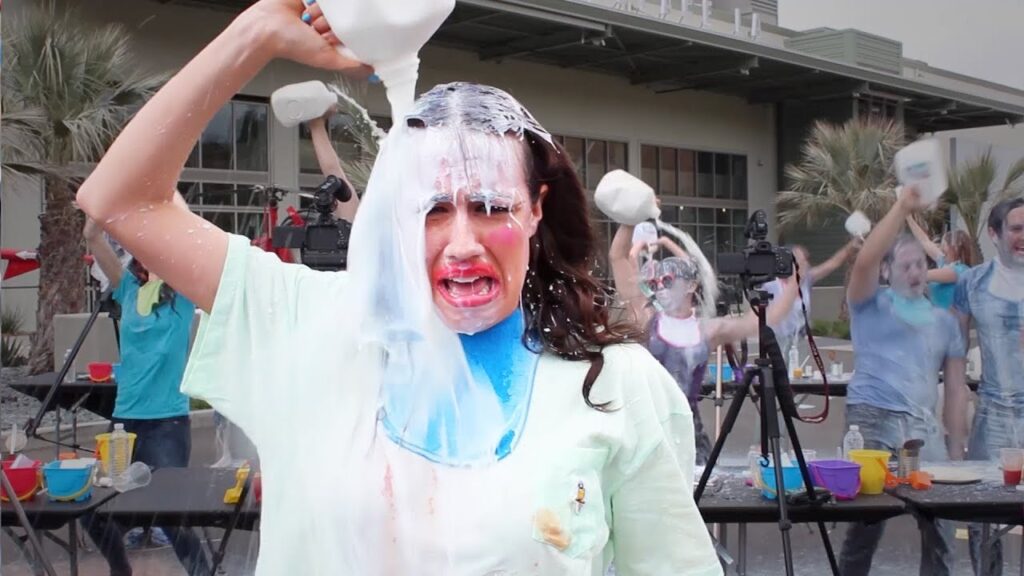
– The Gallon Challenge: This is a type of prank that spread online. The basic idea is for a person to pretend to accidentally fall in a public aisle (like a supermarket) while carrying large containers (gallons) of milk or juice, causing them to explode and splatter their contents everywhere. The challenge aimed to document people’s spontaneous reactions as they tried to help, then post the video on platforms like YouTube to achieve high viewership. It peaked in 2013.
The Yoga Challenge
British YouTuber Alfie Deez is considered the godfather of this challenge, which involves two people (friends or a couple) attempting to replicate difficult yoga poses or “acro yoga” taken from online images.
The challenge is largely humorous, with participants filming their failed attempts, falls, and funny situations while trying to balance. It went viral in 2014.
– The Ted Pod Challenge
This dangerous challenge, which emerged in early 2018, involves teenagers putting liquid laundry detergent pods in their mouths and biting them until they burst, then filming their reactions to post online for fame or views.
Other examples of bizarre challenges include the Ghost Pepper Challenge, which started in 2011 and involves eating extremely hot peppers without drinking milk, causing intense pain.
Similarly, the 2012 Ice and Salt Challenge, which caused chemical burns, and the 2016 Killer Clown Challenge, which involved scaring people while dressed as a clown, also went viral.
The Kiki Challenge: The Kiki Challenge emerged in the summer of 2018 following the release of the song “In My Feelings.” The idea began with a comedic video posted by the influencer Shiggy, showing him dancing to the song next to a slowly moving car, repeatedly saying, “Kiki, do you love me?” Within days, the simple dance became a global phenomenon, with millions of users participating. Even celebrities and athletes from various countries joined in, making it one of the fastest-growing trends in social media history.
However, the challenge wasn’t without controversy. It evolved from a simple dance to people getting out of their moving cars to film the videos, resulting in accidents and injuries in several countries.
Police in various countries issued official warnings, and some participants were fined for endangering their own lives and the lives of others. Thus, “Kiki” has transformed from a fun internet dance into a clear example of how a simple trend can get out of control when the pursuit of views turns into an ill-considered adventure.

سبب انتشار التحديات
انتشرت هذه التحديات بسرعة بفضل عدة عوامل أبرزها وسائل التواصل الاجتماعي، فمع انتشار يوتيوب في 2005، أصبح من السهل تحميل الفيديوهات ومشاركتها. كما أن الخوارزميات تدفع المحتوى إلى الأعلى، مما يزيد من المشاهدات.
كما أن هناك القيمة الترفيهية والصدمة، فالفشل المضحك أو الإصابات (مثل السعال في تحدي القرفة) يجذب المشاهدين بسبب الفضول أو الضحك.
وهناك أيضًا التحدي الاجتماعي، فكثير منها يشمل ترشيح أصدقاء، مما يخلق سلسلة، مثل تحدي دلو الثلج الذي جمع ملايين لأبحاث ALS في 2014.
وينشط المراهقون على المنصات مثل يوتيوب ومنصة إكس (تويتر سابقًا)، مما يساعد في انتشار الاتجاهات بسرعة.
وتعتمد بعض التحديات على الخطورة كعامل جذب، فبعض التحديات الغريبة مثل تحدي النار أو تحدي الإغماء انتشرت رغم مخاطرها، مما أدى إلى تحذيرات صحية وإزالة فيديوهات من يوتيوب.
