

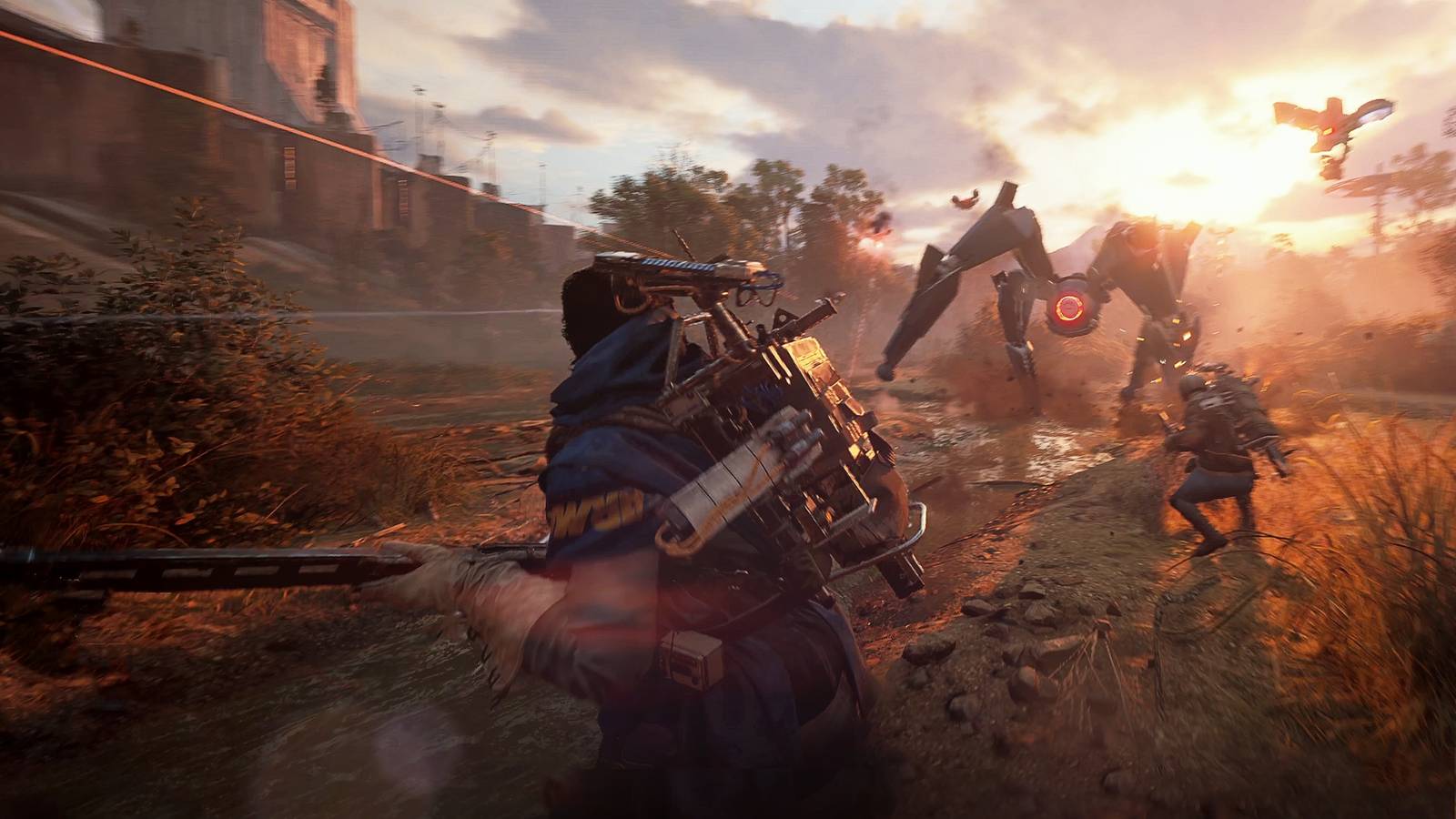
The Truth About AI Enemies in ARC Raiders: They Don’t Learn Your Tactics
In the gaming community, it’s common for players to speculate about the artificial intelligence (AI) systems behind their favorite titles. For ARC Raiders, a growing body of theories suggested that the AI enemies were evolving based on player behaviors. However, a recent statement from Embark Studios has debunked these claims, clarifying how the AI operates.
AI Mechanics Explained
According to design lead Virgil Watkins from Embark Studios, the AI foes in ARC Raiders, like the notorious Leapers and the imposing Queen, do not adapt or learn from player strategies. Instead, any machine learning technology utilized serves solely to improve how these enemies navigate their environment, not to predict or counteract player movements. “The machine learning is literally only for teaching them to walk and navigate the environment. It doesn’t do any of their behaviors or their attacks or anything like that,” Watkins explained during an interview with PC Gamer.
From PvE to PvPvE: The Evolution of ARC Raiders
ARC Raiders began its journey as a player-versus-environment (PvE) game before transitioning to a hybrid format that mixes PvE with player-versus-player (PvPvE) elements. This shift means players must now keep an eye out not only for enemies but also for other players who can shoot them at any moment. While enemies like Ticks and Pops can be easily dealt with, formidable adversaries like Rocketeers and Bastions can pose a significant challenge.
Contrary to popular belief, these enemies have not grown smarter since the game’s launch. Despite perceptions of adaptive behavior, the AI has not changed significantly in the way they engage users.
Analysis of Enemy Behavior
While occasional updates to ARC Raiders have aimed at fixing bugs and enhancing the AI’s pathfinding capabilities, the core behaviors of enemies remain consistent with their launch state. Consequently, while it may sometimes feel as though enemies are anticipating the player’s next move, this is simply a product of the game’s original programming rather than a sign of emergent intelligence.
Challenges of Co-op Gameplay
In discussing the game’s design, Watkins revealed an interesting oversight regarding larger enemies like the Queen and Matriarch. The developers did not initially account for the degree of collaboration among players. Players focused primarily on PvE tended to rally together against these larger threats, frequently resulting in loot shortages due to the high volume of cooperative attacks on these formidable foes.
“The Queen and Matriarch weren’t intended for the full servers to go up against,” Watkins admitted, recognizing the need for adjustments in gameplay balance.
What Lies Ahead: New Content and Updates
For fans eager for new challenges, ARC Raiders has plans in place for exciting updates. The upcoming Riven Tides update, scheduled for April, promises a new large ARC threat, similar to existing enemies, along with the addition of a brand-new map. Furthermore, players can anticipate a new Hurricane Map Condition coming on February 24, presenting fresh challenges with intense winds that will affect visibility and movement mechanics.
Conclusion
The AI in ARC Raiders maintains its original behaviors, relying solely on machine learning for navigation improvements rather than adaptive learning. Understanding this distinction is crucial for players looking to strategize effectively in the game. As future updates promise new challenges and features, both PvP and PvE elements of ARC Raiders continue to evolve, ensuring an engaging experience for all players. For further details on the game, visit Gamerant’s dedicated page for ARC Raiders.
Stay tuned for more updates as Embark Studios continues to refine and expand the ARC Raiders universe!
