
'/%3E%3Cpath%20d='m454%20250-4%204-4-4c-3%203-9%205-9%205l2-5q-9%205-10%203c-1-1%2010-12%2012-26%200-1%203-18-8-13-2%201-4-5%200-7%203-2%2010-1%2011%200q1-2%203-2c2%200%2011%201%2014%206%202%205%202%2014%202%2015q0%2015%208%2027c-1%201-8-2-8-2v3s-7-2-9-4m-12-32c4%2014-9%2031-11%2033%2011%200%2012-10%2015-24l1%201c-2%2011-5%2022-8%2025l7-4%203-22h1l-3%2022%203%203%203-3-1-21h1l1%2021%208%203c-5-8-6-25-6-23h1c2%2012%203%2022%2012%2022-3-3-8-16-7-25q0-12-2-15-6-3-10%202-2%202-5-1c-2-2-1-2-6-4q-7-2-6%205s9-3%2013%205zm7-8q-3%201-1%202%203%200%201-2'/%3E%3C/g%3E%3C/svg%3E)
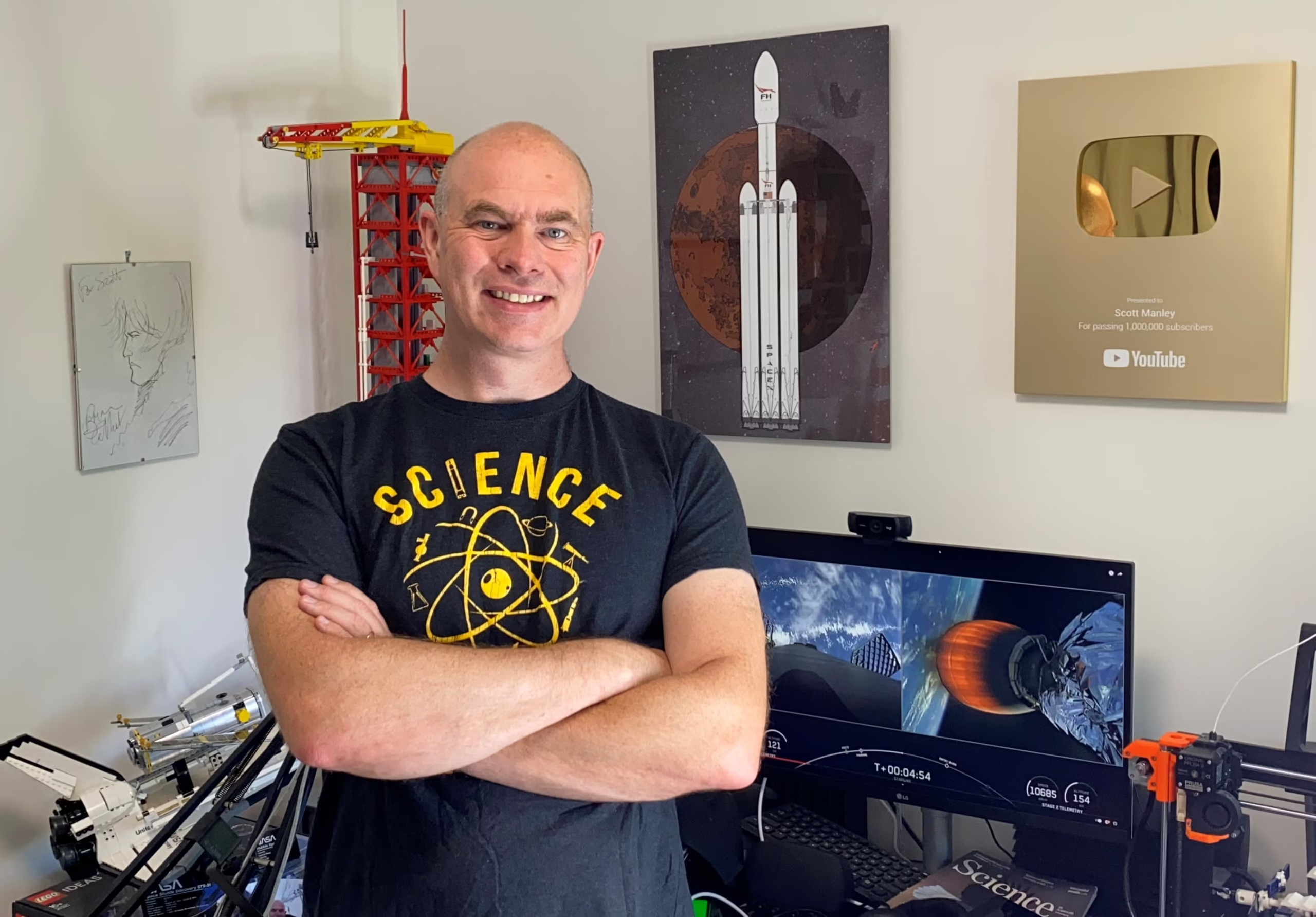
In a unique experiment blending nostalgia and technological innovation, renowned space expert and content creator Scott Manley achieved a remarkable feat: simulating a moon landing using the ZX Spectrum, an 8-bit personal computer first released in 1982.
Manley used this vintage machine to control the popular Kerbal Space Program, a space flight simulator, proving that software creativity knows no bounds when it comes to the power of modern processors.
An Epic Journey: From a 3.5 MHz Processor to the Moon
The ZX Spectrum, manufactured by Sinclair Research, was a technological icon of the 1980s. It operated with a Z80A processor running at a mere 3.5 MHz and only 16 to 128 kilobytes of RAM. Despite these seemingly “primitive” capabilities by today’s standards, it served as the gateway through which an entire generation learned the art of programming.
The excitement of this experiment lies in the comparison between this device and the Apollo 11 AGC (Aircraft Guidance Computer) that landed humans on the moon for the first time. That historic computer operated at a speed of only 2.048 MHz, requiring exceptional ingenuity from the engineers at the time to perform complex tasks with virtually no resources.
Software Challenges: Two Seconds Separate Success from Failure. To achieve this seemingly impossible connection between 1980s technology and a modern computer, Manley used an RS232 port and a special software program called Kerbal RPC to remotely control the simulator.
Manley faced major technical challenges, most notably a two-second lag in the system’s response time. He commented to his followers that the original Apollo computer also operated with two-second calculation cycles, yet the scientists successfully landed, a feat he was able to replicate virtually.
The Future: 100,000 Times More Power
As NASA prepares to return to the moon this decade using machines 100,000 times more powerful than the Apollo computers, Manley’s experiment remains a reminder of the ingenuity of early engineers. The technology we carry in our pockets today (smartphones) is a marvel compared to what was available then, but the human mind remains the fundamental driver of any success.
