
'/%3E%3Cpath%20d='m454%20250-4%204-4-4c-3%203-9%205-9%205l2-5q-9%205-10%203c-1-1%2010-12%2012-26%200-1%203-18-8-13-2%201-4-5%200-7%203-2%2010-1%2011%200q1-2%203-2c2%200%2011%201%2014%206%202%205%202%2014%202%2015q0%2015%208%2027c-1%201-8-2-8-2v3s-7-2-9-4m-12-32c4%2014-9%2031-11%2033%2011%200%2012-10%2015-24l1%201c-2%2011-5%2022-8%2025l7-4%203-22h1l-3%2022%203%203%203-3-1-21h1l1%2021%208%203c-5-8-6-25-6-23h1c2%2012%203%2022%2012%2022-3-3-8-16-7-25q0-12-2-15-6-3-10%202-2%202-5-1c-2-2-1-2-6-4q-7-2-6%205s9-3%2013%205zm7-8q-3%201-1%202%203%200%201-2'/%3E%3C/g%3E%3C/svg%3E)
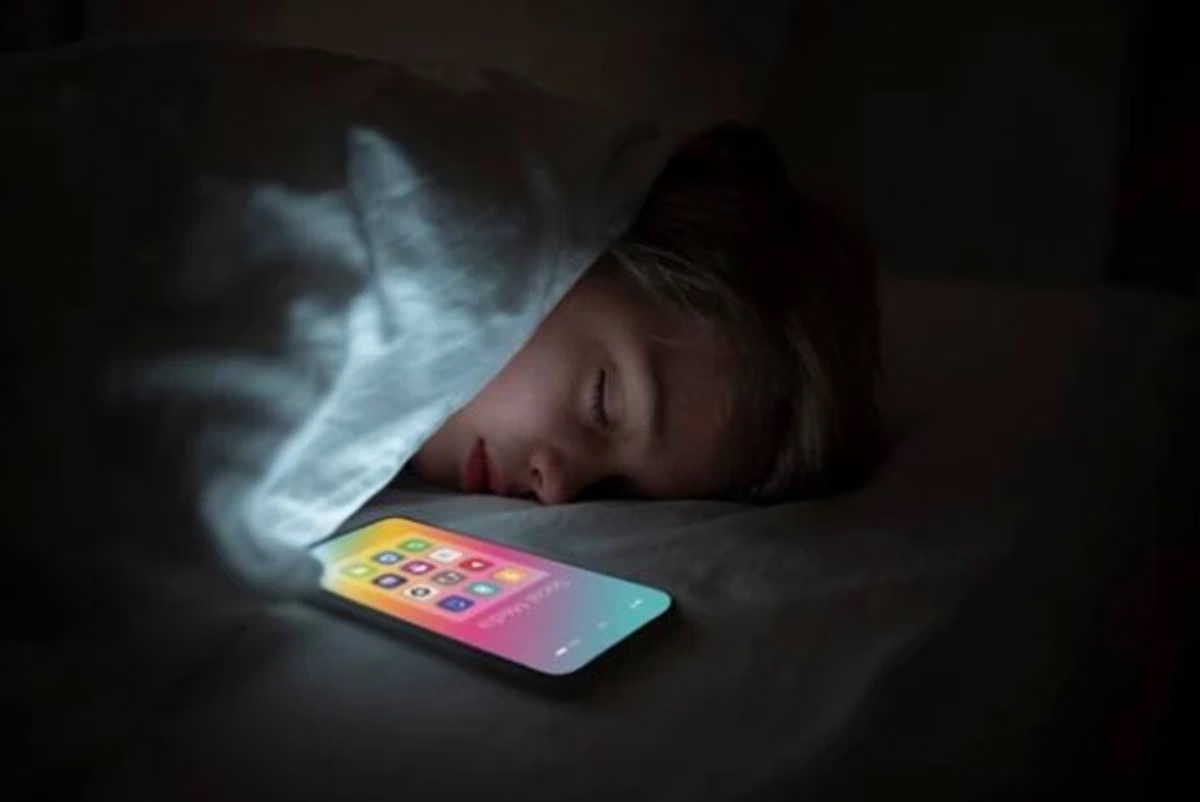
Many people habitually place their smartphones next to their pillows or on their bedside tables, unaware that this habit can negatively impact sleep quality and restful nights. Experts emphasize that keeping the phone at a suitable distance, along with reducing its use before bedtime, can contribute to more peaceful and restful sleep.
Experts explain that understanding the effects of phones on the body during sleep helps in adopting healthier technology habits, aiming to minimize any factors that might disrupt sleep or affect the body’s natural rhythms.
Mobile phones emit radiofrequency electromagnetic fields (RF-EMF) when communicating with nearby cell towers. This non-ionizing radiation does not possess enough energy to directly damage DNA or cellular structures, unlike X-rays, according to a report published by Biology Insights, a website specializing in educational biology topics.
Exposure to this radiation is measured by the Specific Absorption Rate (SAR), a measure that quantifies the amount of radiofrequency energy absorbed by the body, with maximum limits set by regulatory authorities.
Distance plays a key role in reducing exposure to these radiations. The intensity decreases significantly as the phone is farther from the body, according to the inverse square law. Doubling the distance between the person and the phone reduces the exposure to approximately one-quarter of its previous level.
Therefore, simply moving the phone away from the bedside table or placing it further away in the room significantly reduces the amount of energy reaching the body during sleep, providing better protection against prolonged exposure to electromagnetic fields.
Based on these physical properties, experts recommend maintaining a safe distance between the phone and the body during sleep.
Placing the phone at least three feet (approximately one meter) from the bed is one of the most common recommendations, as the emissions become negligible when they reach the body.
Increasing the distance to between five and six feet (approximately 1.5 to 1.8 meters) provides an even greater margin of safety and reduces the temptation to use the phone at night, since reaching for it requires intentional movement rather than automatic use.
The impact of a phone isn’t limited to radiation. Experts confirm that its proximity to the bed can also affect sleep quality through various biological and psychological factors.
The blue light emitted from a phone screen sends signals to the brain suggesting that the day isn’t over, thus suppressing the secretion of melatonin, the hormone responsible for regulating sleep and the body’s circadian rhythm.
This impacts the ability to fall asleep, making it more difficult to do so, and disrupts the natural sleep cycle, reducing the quality of restful nights.
Furthermore, having a phone nearby can keep the mind in a constant state of alert, even with notifications muted. The brain remains expectant of a message or alert at any moment, hindering the relaxation necessary for deep sleep.
To minimize these effects, experts recommend activating “airplane mode” before bed. This disables cellular, Wi-Fi, and Bluetooth connections, thus preventing radio frequency emissions, while still allowing the alarm to continue.
Alternatively, turning the phone off completely achieves the same result, while also conserving battery power.
It’s also preferable to designate a charging area for your phone outside the bedroom. This helps create a clear separation between the device and your sleep environment, reinforcing the idea that the bedroom is solely for rest.
Experts emphasize that using a traditional alarm clock eliminates the need to keep your phone by the bed and helps reduce reliance on it during the night.
If you must have your phone in the bedroom, it’s advisable to turn off all notifications and place it with the screen facing down to avoid sudden light or alerts that might disrupt your sleep.
Finally, putting your phone away at least an hour before bedtime allows your body to begin producing melatonin naturally, contributing to better sleep quality and improved rest.
