

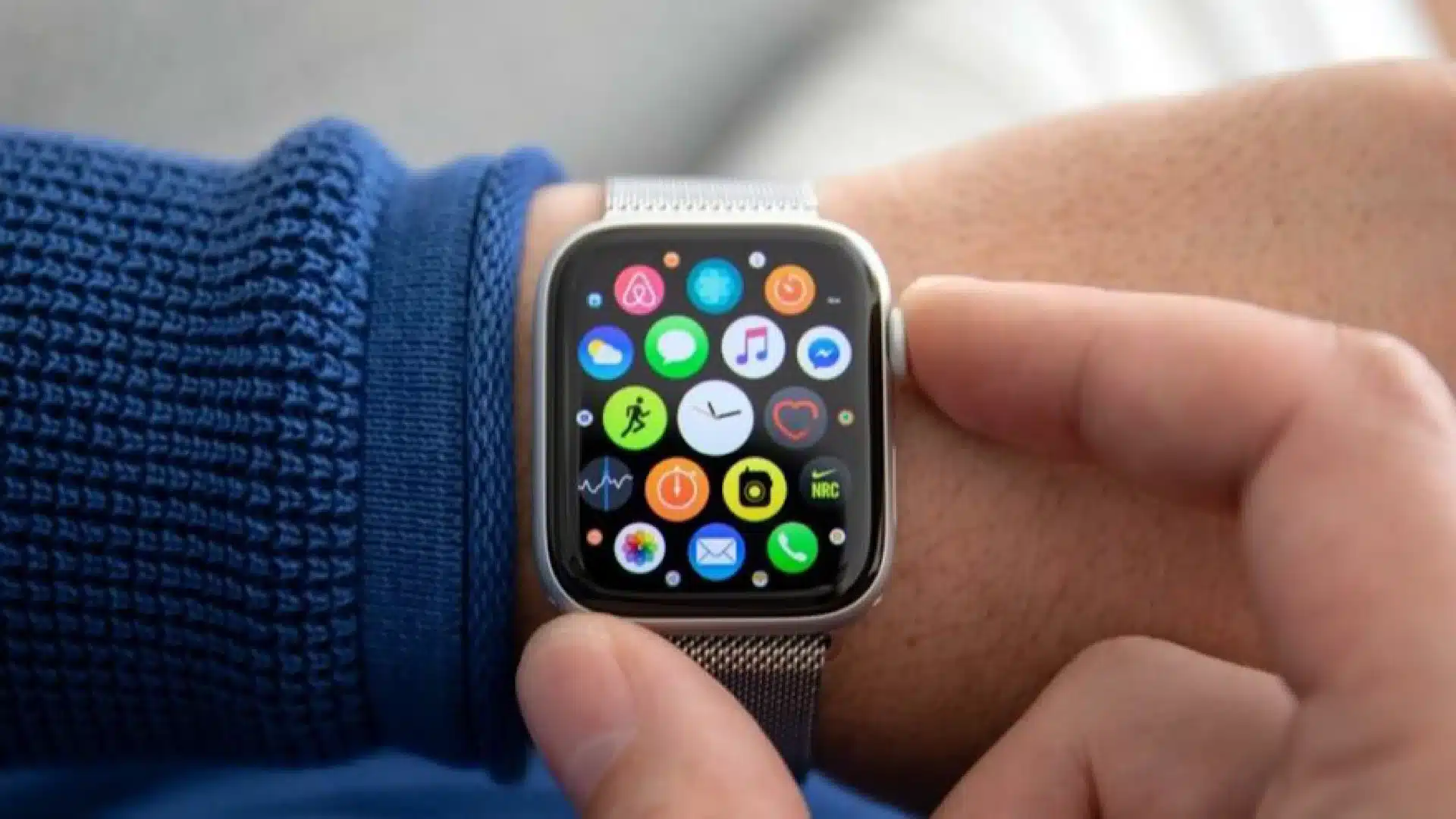
Wearable devices have seen significant development in recent years. Their function is no longer limited to counting steps or measuring heart rate; they are now equipped with sensors capable of monitoring various health indicators, such as sleep quality, skin temperature, blood oxygen levels, respiratory rate, and even detecting signs that may indicate disorders like sleep apnea.
But the question remains: can these devices be relied upon for the early detection of diseases? According to a report published by Engadget, the answer is not as simple as marketing campaigns suggest. While smartwatches offer useful indicators, they are not a diagnostic tool for diseases.
Technology companies, most notably Apple, are keen to highlight stories of how their smartwatches have helped save lives. Official interest in these devices has also increased after former US Secretary of Health Robert F. Kennedy Jr. described wearable technology as an essential part of the future of healthcare.
Nevertheless, experts emphasize that the most significant advantage of these devices lies in their ability to detect unusual changes compared to a user’s normal health pattern, which may prompt them to consult a doctor early.
One of the most effective uses of the Apple Watch is the detection of atrial fibrillation, a heart rhythm disorder that increases the risk of stroke. A study of the Apple Watch showed that its irregular heartbeat alerts were accurate in 84% of cases, making it one of the most reliable health functions on smartwatches.
In contrast, other indicators, such as blood pressure measurements, calorie counting, detailed sleep tracking, and fitness metrics like VO2 max and heart rate variability, remain less accurate. These provide only rough estimates that doctors cannot rely on for treatment decisions.
Furthermore, elevated heart rate or changes in certain indicators can result from various causes, such as lack of sleep or infection. Therefore, doctors focus on monitoring health trends over time rather than relying on a single reading.
Recent studies suggest that combining multiple data points, such as skin temperature, respiratory rate, and heart rate, may help detect infections like influenza and COVID-19 before symptoms appear. Artificial intelligence technologies also contribute to analyzing this data through applications developed by companies like Google, Oura, and Whoop to provide more accurate health alerts and indicators.
Despite these advancements, experts emphasize that wearable devices remain a tool to support health and are not a replacement for doctors. They can draw attention to a potential problem, but they cannot provide a definitive diagnosis or replace regular medical checkups.
