
'/%3E%3Cpath%20d='m454%20250-4%204-4-4c-3%203-9%205-9%205l2-5q-9%205-10%203c-1-1%2010-12%2012-26%200-1%203-18-8-13-2%201-4-5%200-7%203-2%2010-1%2011%200q1-2%203-2c2%200%2011%201%2014%206%202%205%202%2014%202%2015q0%2015%208%2027c-1%201-8-2-8-2v3s-7-2-9-4m-12-32c4%2014-9%2031-11%2033%2011%200%2012-10%2015-24l1%201c-2%2011-5%2022-8%2025l7-4%203-22h1l-3%2022%203%203%203-3-1-21h1l1%2021%208%203c-5-8-6-25-6-23h1c2%2012%203%2022%2012%2022-3-3-8-16-7-25q0-12-2-15-6-3-10%202-2%202-5-1c-2-2-1-2-6-4q-7-2-6%205s9-3%2013%205zm7-8q-3%201-1%202%203%200%201-2'/%3E%3C/g%3E%3C/svg%3E)
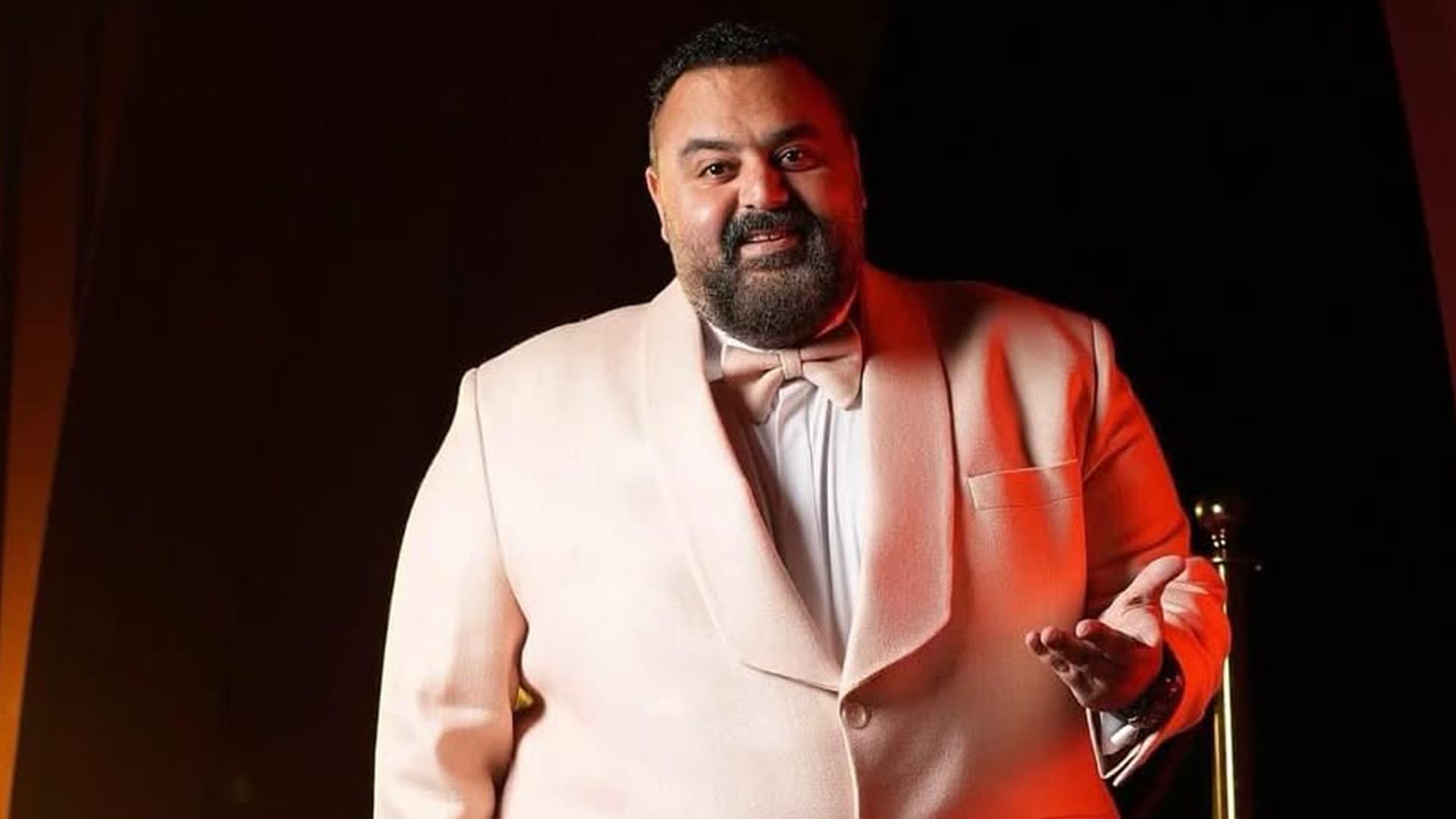
Actor Chico was a guest on Amr Adib’s show “Al-Hekaya” on MBC Egypt, where he revealed both lighthearted and serious aspects of his career, including behind-the-scenes details of his latest film, “Saqr wa Kanaria” (Falcon and Canary), currently showing in cinemas and achieving remarkable success and high box office returns in Egypt and the Arab world. He also addressed the recent legal controversy in the artistic community regarding public performance rights for creators.
Chico expressed his immense happiness with his collaboration with actor Mohamed Imam in “Saqr wa Kanaria,” emphasizing the strong rapport that was clearly reflected on screen and felt by audiences as a unique artistic chemistry.
He noted that he gave Imam his complete trust during the script development and writing phase, telling him, “You sit down and fix the script; I trust you.” He also praised Imam’s diligence, flexibility, and receptiveness to his colleagues’ suggestions. In comparing his previous career as an engineer to his current work as an actor, Chico asserted that acting is far more challenging than engineering. He jokingly admitted that he prefers not to take risks with his movements and has been using a stunt double for action scenes for the past ten years.
Chico’s comments coincide with the commercial success of the film, which blends action and comedy. The story revolves around Saqr (Mohamed Imam), a professional mercenary seeking a fresh start, whose life takes an unexpected turn when he encounters Bilal, nicknamed “Kanaria” (Chico), a struggling writer obsessed with espionage and chases. The film boasts a stellar cast including Yara El Sokary, Yosra El Lozy, Khaled El Sawy, Nesreen Amin, and Entesar. It is written by Ayman Wattar and directed by Hussein El Manbawy.
On the professional and legal front, Chico weighed in on the ongoing debate surrounding “public performance rights,” clarifying the nature of these royalties based on his personal experience as a writer and author who has contributed to several previous works. He revealed that he received actual royalties from the Authors’ Association resulting from the streaming of his older films on Netflix in Cuba. He emphasized that these royalties are an inherent right of creators and do not conflict with the rights of producers; rather, they are paid by the platforms and television channels that broadcast the work.
To dispel prevailing concerns, Chico explained that these royalties are not deducted from the initial screening of the works, but are linked to subsequent re-airing and digital exploitation. He also pointed out that the amounts due are often very small and not as exorbitant as some might imagine. He called on responsible authorities to clarify the details of this mechanism for the public to prevent any confusion or misunderstanding among the parties involved in the production and artistic process in Egypt.
