


In an era where many merely listen to music, Ahmed Salah chose to delve into every note and musical detail, sharing behind-the-scenes stories with his audience. Through his channel, “Abu Salah’s Tales,” he successfully transformed music analysis from a specialized subject into captivating narratives that resonate with art and music lovers. He explores the secrets of albums, the behind-the-scenes processes of song production, and the reasons behind the success of stars who shaped pop history, both in the Arab world and internationally.
He began his YouTube journey with content completely unrelated to music, before a chance encounter and his long-standing passion for songs led him down a path that brought him widespread recognition and engagement. Between Amr Diab and Michael Jackson, and by delving into the intricacies of musical arrangement and sound engineering, he has carved out a unique niche for himself among music content creators.
In this interview, Ahmed Salah discusses his beginnings, the secret behind his fascination with the details of music, his perspective on the success of pop giants, the future of rap and hip-hop, and his long-held dream of documenting the history of Arabic music in a series he hopes to release soon.
What was the moment you decided to transition from simply listening to and appreciating music to becoming a content creator who analyzes its details?
My journey with YouTube began in April 2024. After creating football-related content for a full year with negligible views, except for two episodes about Amr Diab and Tamer Hosny that garnered good engagement, I started noticing that my discussions and analyses of songs with my friends were attracting their attention. Since childhood, I’ve been passionate about music. I’ve been listening to songs since I was three years old, and I owned a Walkman and headphones at that age. I used to fall asleep to Amr Diab’s album “Ayamna.” So, I decided to channel this passion into content that I present to the public with the same level of detail I experience in music.
Why did you choose the name “Hawadeet Abu Salah” (Abu Salah’s Tales), and do you think that the narrative style makes music analysis more accessible to the audience?
I chose the name “Hawadeet Abu Salah” because I wanted to convey to the listener that they are hearing a story, not an academic analysis, making the experience simpler and more engaging. Moreover, the narrative style, however complex, makes the audience more receptive to listening because they perceive it as a story rather than direct criticism.
Initially, were you worried that the music and analytical content might be too much for the audience or that it wouldn’t gain traction on YouTube?
I wasn’t concerned about going viral because my goal wasn’t to chase trends, but rather to create content that I enjoyed making and watching. There are also numerous examples that have proven the success of music content, and I believe that the audience’s attention to detail is constantly increasing.
You dedicated special episodes to Amr Diab and Michael Jackson. In your opinion, what is the common thread that allowed them to maintain their position at the top of pop music for so many years?
The common thread between Amr Diab and Michael Jackson is their meticulous attention to detail. For example, the song “Billie Jean” was mixed dozens of times before reaching its final version, and Amr Diab’s album “Alem Alby” was re-recorded and re-released multiple times with different arrangements. This attention to detail is what ultimately resonates with the audience, even though the musical structure itself is incredibly complex.
In your opinion, why is the “Alem Albi” episode one of the most prominent and important episodes on your channel, and what distinguishes this album musically?
The “Alem Albi” episode is one of the channel’s most prominent episodes, even though I’ve presented many episodes about Amr Diab. I consider this particular album one of the strongest musical works because it represented a clear evolution in the form of Arabic music upon its release. It included new musical ideas and meticulous details in the arrangement, and I believe that even today, no Arabic album has had the same impact as “Alem Albi” at that time.
How did the Arab audience react to the Michael Jackson episodes and the technical details such as bass lines and sound engineering?
I was very surprised by the Arab audience’s reaction to these episodes. I discovered that there is a large segment that possesses genuine musical awareness and understands and enjoys the technical details I present.
In your opinion, what made Michael Jackson reign supreme in the music world for so many years?
Michael Jackson was an exceptional artistic phenomenon, difficult to replicate. He combined dazzling stage presence, immense charisma, and the ability to deliver a complete performance with live singing and a band—a rare talent indeed. The enduring appeal of his songs lies in his masterful blending of funk, rock, soul, and R&B within the framework of mainstream pop, a truly remarkable feat. Nor can we overlook the role of distributor and producer Quincy Jones, whom I consider the unsung hero of this extraordinary career.
Michael managed to reach current generations. In your opinion, what is the secret to his enduring popularity despite his passing so many years ago?
The film “Michael” played a significant role in introducing this legend to new generations, especially since many never witnessed Michael at the height of his success. The film helped reintroduce his artistic journey to a new audience, prompting them to revisit and rediscover his work, which has led to a renewed surge in the popularity of his music across various platforms.
In your opinion, which artists do you anticipate achieving similar success to Amr Diab and Michael Jackson?
On the Arab scene, I see Tamer Hosny and Mohamed Hamaki as names that are consistent and influential, and on the global level, there are The Weeknd and Taylor Swift who have a huge fan base and clear continuity.
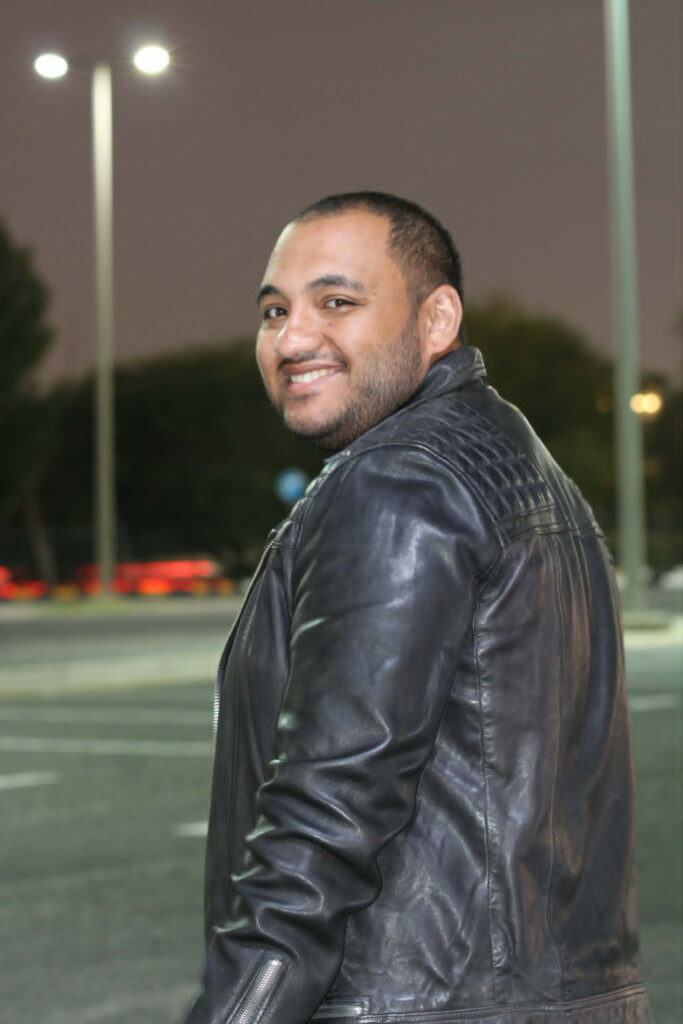
How long does it take to prepare a single episode, from research to editing?
Preparing a single episode takes about eleven days. I start by listening to the album for two days, then analyzing all the instruments and musical details for four days. This is followed by two days of writing the episode, then one day for filming, and four days for editing. I do all of this individually.
How do you deal with criticism or attacks from artists’ fans?
I consider criticism normal. Differing opinions are an essential part of any content. Over time, I’ve learned a lot from feedback and criticism, and I’m still learning because constructive criticism helps any content creator improve.
How do you separate your personal taste from objectivity when evaluating songs?
I try as much as possible to separate personal taste from objective analysis. I might not like some songs, but that doesn’t prevent me from analyzing them artistically and offering a fair interpretation.
What is your opinion on the rise of hip-hop and Arabic rap in recent years?
I see the rise of rap and hip-hop as a natural result of changing audience tastes. After a long period of dominance by sentimental songs, there is now more space to express everyday life issues. This doesn’t mean a decline in classical Arabic music; rather, it reflects the diversity of the musical landscape. It’s worth noting that some major artists, like Michael Jackson, relied on incorporating different musical styles within a single album.
Do you see artificial intelligence as a threat to musical creativity or a helpful tool?
Technology, in general, aims to facilitate things, and artificial intelligence is part of that. I see it as a tool that can help in some aspects, but it can’t replace human creativity, because the essence of art is linked to humanity, its feelings, and its experiences.
What kind of episode or story do you dream of presenting in the future?
I dream of presenting an episode documenting the evolution of music in the Arab world across different decades, along with an episode about the history and development of Rai music. I consider these two to be among the most important projects I hope to implement in the near future.
